
Bed bugs do not care how clean your home is. They hitchhike in luggage, used furniture, backpacks and laundry, and they can live in a spotless apartment as easily as anywhere else. Because they hide during the day and feed while you sleep, many people do not realize they have a problem until bites appear or a stain on the sheets prompts a closer look.
Catching bed bugs early makes a big difference in how hard and expensive they are to eliminate. This guide explains the earliest signs, gives you a room-by-room inspection checklist, and compares the main treatment options so you can make an informed decision.
- Bites alone cannot confirm bed bugs; look for live bugs, shed skins, eggs and dark fecal spots.
- Start inspections at the mattress seams, box spring and headboard, then work outward.
- Heat treatment can kill all life stages in a single visit; chemical programs usually need multiple visits.
- Do not move furniture or sleep in other rooms during an infestation; it often spreads the problem.
What Bed Bugs Look Like
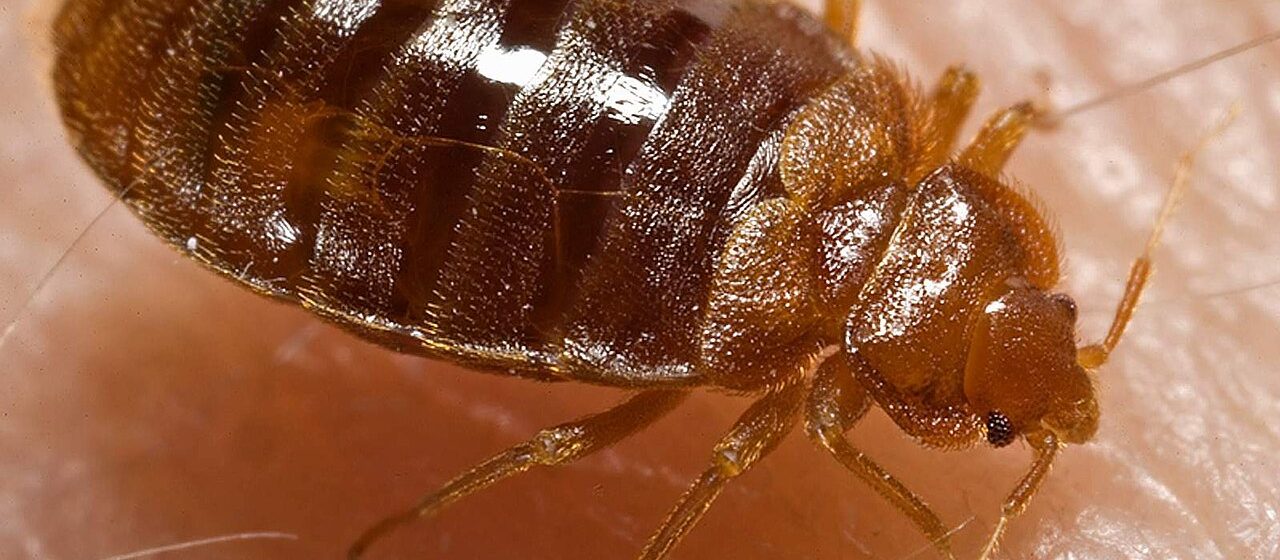
Adult bed bugs are flat, oval and reddish brown, roughly the size of an apple seed (about 3/16 to 1/4 inch). After feeding they swell and turn darker red. Nymphs are smaller and pale or translucent until they feed. Eggs are tiny, pearly white and about the size of a pinhead, usually glued in cracks and seams. Bed bugs do not fly or jump; they crawl, and they are surprisingly quick. You can compare photos of look-alikes such as bat bugs and carpet beetles in our pest library.
Early Signs of Bed Bugs
- Fecal spots: Small black or dark brown dots that bleed into fabric like a marker would. These are digested blood and are often the first clear sign, found along mattress seams, sheet corners and the box spring.
- Blood smears: Small rust-colored stains on sheets or pillowcases, usually from a bug crushed after feeding.
- Shed skins: Pale, empty, bug-shaped casings left as nymphs molt through five stages.
- Eggs and eggshells: Tiny white specks tucked into seams, cracks and screw holes.
- Live bugs: Usually clustered in seams, tufts, folds and joints of furniture near where people sleep or sit.
- A musty, sweet odor: Noticeable mainly in heavier infestations.
- Bites: Itchy welts, often in lines or clusters on skin exposed during sleep. Reactions vary widely; some people have no visible reaction at all, so bites are not reliable proof.
Room Inspection Checklist
You need a bright flashlight, a magnifying glass, a thin card (an old credit card works) to probe seams, and disposable gloves. Inspect in daylight with all lights on.
- Strip the bed. Remove sheets carefully and look at the fabric, especially corners. Bag the bedding before carrying it to the laundry.
- Mattress: Run the card along every seam, piping, tuft and label. Lift the edges and check the underside.
- Box spring: This is a favorite hiding spot. Check the seams, corners and, if possible, peel back the thin fabric dust cover on the bottom to look at the wooden frame.
- Bed frame and headboard: Check joints, screw holes and the back of the headboard. Headboards mounted on the wall are a common harborage.
- Nightstands and dressers: Pull out drawers and inspect the joints, corners and undersides.
- Upholstered furniture: Check sofa and chair seams, under cushions, skirts and the underside of the frame, especially where people nap.
- Room edges: Look along baseboards, carpet edges, behind outlet and switch plates (without probing into wiring), behind picture frames and in curtain folds.
- Clutter: Piles of clothes, books and boxes near the bed provide extra hiding places and should be checked and reduced.
Interceptor cups placed under each bed leg can help confirm activity over a week or two. Bugs crawling to or from the bed get trapped in the outer well, where you can see them.
How Bed Bugs Spread
Bed bugs travel with people and their belongings. Common routes include:
- Luggage and clothing after staying in hotels, rentals, dorms or with friends and family.
- Used furniture, especially mattresses, upholstered pieces and bed frames, including items picked up curbside.
- Shared walls, hallways and laundry rooms in apartment buildings.
- Visitors, moving trucks and rental furniture.
- Backpacks, purses and coats left on beds or upholstered seats in public places.
Once inside, bed bugs stay close to where people rest. They can survive for months without a meal under the right conditions, which is why simply leaving a room empty for a few weeks does not solve the problem.
Treatment Options Compared
Effective bed bug control almost always combines several methods. Here is how the main approaches compare.
| Method | How it works | Strengths | Limitations |
|---|---|---|---|
| Whole-room heat treatment | Specialized heaters raise room and contents to a lethal temperature, held long enough to penetrate furniture and clutter | Kills eggs, nymphs and adults; often completed in one day; no chemical residue required | Requires professional equipment and monitoring; heat-sensitive items must be removed; no lasting residual on its own |
| Chemical treatment | Labeled insecticides applied to cracks, crevices, furniture and room edges; may include dusts and residual products | Leaves residual protection; useful for wall voids and adjoining units | Usually needs two or more visits; some populations show insecticide resistance; prep and re-entry instructions apply |
| Steam (targeted) | High-temperature steam applied slowly to seams, tufts and joints | Kills bugs and eggs on contact; no residue | Only treats what it touches; labor intensive; can damage some materials |
| Mattress and box spring encasements | Zippered, bite-proof covers that trap bugs inside and eliminate hiding spots | Inexpensive; makes future inspections easy; protects the mattress | Does not treat the rest of the room; must stay on for at least a year |
| Laundering and drying | Washing and drying on the highest heat the fabric allows | Simple, effective for clothing, bedding and linens | Only for washable or dryer-safe items |
Heat treatment
Bed bugs and their eggs die when exposed to sustained high temperatures. In a professional heat treatment, technicians bring the room and everything in it up to a lethal temperature, use fans to circulate the hot air, and track temperatures with sensors placed inside mattresses, furniture and clutter to confirm that the heat has reached hiding spots. The big advantage is that heat kills eggs as well as adults, which chemical treatments often struggle with. Many providers pair heat with a residual product along room edges for extra protection. Learn more on our services page, which covers our bed bug heat treatment.
Chemical treatment
Chemical programs use a combination of products registered for bed bugs, applied to the specific places they hide. Because eggs are harder to kill, technicians usually return about two weeks later to catch newly hatched nymphs, and a third visit is common. Chemical treatment can be a good option for large homes, multi-unit buildings, or where heat is not practical.
Encasements and supporting steps
Whatever primary treatment you choose, install quality encasements on mattresses and box springs, use interceptors under bed legs, reduce clutter and launder fabrics on high heat. Pull the bed a few inches away from the wall and keep bedding off the floor so the bed becomes an island that is easy to monitor.
Never use outdoor insecticides, agricultural products, rubbing alcohol, gasoline or other flammable liquids on mattresses or furniture; these cause fires and poisonings every year and do not reliably kill bed bugs. Do not attempt whole-room heating with space heaters or ovens. Total-release foggers are not effective against hidden bed bugs. Follow every product label exactly. If bites become infected, cause a severe skin reaction, or you have trouble breathing or swelling, see a doctor.
Preparing for Treatment
Your provider will give you a prep list specific to the method. Typical steps include:
- Bag bedding, clothes and linens in sealed plastic bags, then wash and dry on high heat.
- Reduce clutter so heat or products can reach hiding spots, but do not move items out of the infested room without bagging them first.
- For heat treatments, remove items that can melt or be damaged, such as candles, aerosol cans, medications, some plastics and musical instruments, as directed.
- Do not start sleeping on the couch or in another bedroom. Bed bugs follow the host, and you may spread the infestation.
Travel Prevention Tips
- When you arrive at a hotel or rental, put luggage in the bathroom or on a hard luggage rack away from the bed and walls.
- Pull back the sheets at the head of the bed and check mattress seams, the headboard area and the box spring corners with your phone’s flashlight.
- Keep clothes in your suitcase or in sealed bags rather than in dresser drawers.
- If you see signs, ask for a different room that is not adjacent to or directly above or below the original.
- When you get home, unpack outside the bedroom, ideally in a garage or laundry area. Put all clothing, worn or not, straight into the dryer on high heat.
- Vacuum your suitcase, especially seams and pockets, and store it away from bedrooms.
Be just as careful with secondhand furniture. Inspect every seam and joint before bringing a piece home, and avoid curbside mattresses and upholstered items entirely.
When to Call a Professional
Bed bugs are one of the pests where DIY efforts most often fail. Bugs hide in places you cannot see, eggs survive many over-the-counter products, and partial treatments can drive bugs into new rooms. If you have confirmed signs, call a professional for a thorough inspection. If you rent, notify your landlord in writing promptly, since many local rules address who is responsible for treatment. Our FAQ page answers common questions about scheduling and what to expect.
Frequently Asked Questions
Can I see bed bugs with the naked eye?
Yes. Adults are about the size of an apple seed and visible without magnification. Eggs and young nymphs are much harder to spot, so a flashlight and magnifying glass help during inspections.
Do bed bugs carry diseases?
Bed bugs are not generally considered to spread disease to people. Their bites can cause itching, skin irritation and, in some people, allergic reactions, and scratching can lead to infection. Infestations can also affect sleep and cause significant stress. See a doctor if you have a strong reaction.
How long does a heat treatment take?
Most residential heat treatments are completed in a single day, often several hours per unit depending on size and how much furniture and clutter need to be heated through. Your provider will give a time estimate after inspecting.
Can I throw out my mattress to get rid of bed bugs?
Throwing out a mattress rarely solves the problem because bed bugs also hide in frames, furniture and room edges. Carrying an infested mattress through the home can spread bugs. In most cases, treating the room and encasing the mattress is the better option.
How do I know the treatment worked?
Keep encasements on and interceptors under the bed legs, and continue checking for new fecal spots or live bugs. Many providers schedule a follow-up inspection a few weeks after treatment to confirm there is no ongoing activity.
Think You Have Bed Bugs? Get a Clear Answer
ETAAC Pest Control connects you with local contractors who can inspect your home, confirm whether bed bugs are present, and recommend heat or chemical treatment based on what they find. Call us 9AM–6PM or request a free quote online.