

Hiring a pest control company means letting someone apply regulated products in and around the place your family lives, often under a contract that runs for a year or more. Most companies do honest, competent work, but quality varies widely, and the cheapest quote is not always the best value. A little homework before you sign helps you avoid ineffective treatments, surprise fees and contracts that are hard to exit.
This guide walks you through what to check, what to ask, how pricing and contracts usually work, which red flags to watch for, and when doing it yourself is a reasonable alternative.
- Verify that the company and the technician who will treat your home hold the pesticide license or certification your state requires, and that the business carries liability insurance.
- Look for an Integrated Pest Management (IPM) approach: inspection first, then targeted treatment combined with exclusion and sanitation advice.
- Get the treatment plan, products, price, guarantee terms and cancellation policy in writing before you sign.
- Be wary of high-pressure sales, door-to-door “today only” offers, vague guarantees and quotes given without an inspection.
- DIY can work for minor, occasional pests; termites, bed bugs, stinging insect nests and wildlife usually warrant a professional.
Step 1: Check Licensing
In the United States, pesticide use is regulated under federal law, and each state runs its own program for certifying and licensing people and businesses that apply pesticides commercially. The state lead agency is often the department of agriculture, though in some states it is an environmental agency or a structural pest control board.
Requirements vary, but common elements include:
- Business license or registration: many states require the company itself to be licensed to perform structural pest control.
- Certified applicator: at least one person, often a qualified manager, must pass exams in the relevant categories and maintain continuing education.
- Categories: licenses are commonly divided by type of work, such as general household pests, wood-destroying organisms (termites), fumigation and lawn or ornamental work. A company licensed for general pests is not necessarily licensed for termite work or fumigation.
- Technicians: in many states, technicians must be registered or licensed and work under the supervision of a certified applicator.
Ask for license numbers and verify them on your state agency’s website, which usually offers a public lookup. Confirm the license is current and covers the type of service you need. Some agencies also list disciplinary actions.
Step 2: Confirm Insurance
Ask for a certificate of insurance showing:
- General liability coverage for property damage or injury caused during service.
- Workers’ compensation for employees, so you are not exposed if a technician is hurt on your property.
- Pesticide application coverage, since some general liability policies exclude pollution or chemical incidents.
Some states require proof of insurance or bonding to hold a license. For termite work, ask whether the company carries coverage that backs its repair guarantee.
Step 3: Look for an IPM Approach
Integrated Pest Management is the standard recommended by the EPA and university extension programs. Instead of spraying on a fixed schedule regardless of conditions, an IPM provider:
- Inspects to identify the pest, the extent of the problem and the conditions that support it.
- Identifies the pest correctly, because treatment for pharaoh ants differs from carpenter ants and German cockroaches differ from American cockroaches.
- Addresses causes such as moisture, food sources, clutter and entry points, often with recommendations for you.
- Uses targeted treatments: baits, crack-and-crevice applications, exclusion work, traps and growth regulators before broad spraying.
- Monitors and adjusts on follow-up visits and documents what was done.
A company practicing IPM will spend time inspecting before quoting, explain its reasoning, and tell you what you can do to make treatment work better.
Questions to Ask Before You Hire
- What pest do you believe this is, and what evidence did you see?
- What will the treatment include, and which products or active ingredients will you use?
- How should we prepare, and are there re-entry times for people and pets?
- How many visits are included, and what results should we expect, and when?
- What exactly does your guarantee cover? Retreatment only, or repairs too? For how long?
- What happens if the problem returns between scheduled visits?
- Is this a one-time service or a recurring contract? What is the cancellation policy and notice period?
- Will the same technician service my home? Are technicians licensed or registered with the state?
- Will I receive a written service report after each visit?
- Can you provide your license number and certificate of insurance?
Our FAQ page answers several common questions about how service visits work.
Understanding Contracts and Guarantees
Recurring general pest contracts
Many companies offer monthly, bimonthly or quarterly service plans with free callbacks between visits. Read the term length, whether it renews automatically, how much notice is required to cancel, and whether early cancellation triggers a fee or a charge for the initial service discount.
Termite agreements
Termite contracts, sometimes called bonds or warranties, typically run for a year and can be renewed annually with an inspection. Key distinctions:
- Retreatment-only: if termites return, the company treats again at no charge but does not pay for damage.
- Repair coverage: the company also covers repair of new damage, usually up to a stated limit and with exclusions.
- Transferability: some agreements transfer to a new owner when you sell, which can help with real estate transactions.
- Conditions: many agreements require you to correct conducive conditions such as wood-to-soil contact or moisture problems.
Specialty treatments
Bed bug, wildlife and stinging insect services usually come with shorter, specific guarantees. Ask what follow-up inspections are included. If you are dealing with bed bugs, our guide to bed bug signs and treatment explains what effective service involves.
How Pest Control Pricing Works
Prices vary widely by region, home size, pest type and severity, so compare written quotes rather than relying on advertised figures. Common pricing models include:
- One-time service: a flat fee for a single visit, sometimes with a short guarantee. Common for wasp nests, a single wildlife removal, or a minor ant problem.
- Initial plus recurring: a higher first visit for thorough inspection and treatment, followed by lower recurring visits.
- Annual plans: a yearly price billed monthly or per visit, often bundling several common pests.
- Project pricing: termite treatments, bed bug heat treatments and exclusion work are typically quoted per project based on linear footage, square footage or the number of rooms.
- Termite renewal fee: an annual fee to keep a termite agreement in force after the initial treatment.
When comparing quotes, make sure they cover the same scope. A low price may exclude callbacks, interior service, specific pests or follow-up inspections. Asking for a free quote after an inspection is the most reliable way to compare.
Red Flags to Watch For
- No inspection before quoting, or a diagnosis that does not match what you have seen.
- High-pressure tactics: “today only” pricing, scare stories about immediate structural collapse, or pressure to sign before you can research.
- Unsolicited door-to-door offers claiming leftover product from a neighbor’s job.
- Unwilling to provide license or insurance information, or a license that does not cover the work.
- Vague product information or reluctance to share labels and safety data sheets.
- Guarantees that sound too good, such as “never see a bug again,” without written terms.
- Long contracts with steep cancellation fees buried in fine print.
- Cash-only payment or large upfront payments for long-term service.
- Heavy spraying as the only tool, with no mention of baits, exclusion or the conditions causing the problem.
Whether you hire a pro or treat yourself, pesticides must be used exactly as the label directs; the label is a legal requirement, not a suggestion. Ask your provider about preparation and re-entry times, and tell them in advance about infants, pregnant household members, people with respiratory conditions, pets, aquariums and food gardens. Never use agricultural or outdoor-only products indoors, and never buy unlabeled or imported pesticides of unknown origin. If anyone feels unwell after an application, contact Poison Control (1-800-222-1222) or a doctor.
DIY vs. Professional Pest Control
| Situation | DIY reasonable? | Why a professional may be better |
|---|---|---|
| A few ants or occasional spiders | Often yes, with baits, sealing and cleaning | If activity persists after a few weeks, or carpenter ants are suspected |
| German cockroaches | Possible with gel baits and sanitation for light activity | Fast breeders and bait resistance; established infestations usually need a program |
| Mice | Yes for one or two, with snap traps and sealing | Ongoing activity, rats, or hard-to-find entry points |
| Termites | Not recommended | Requires specialized inspection, equipment, licensed products and often a warranty |
| Bed bugs | Rarely successful alone | Heat treatment and thorough follow-up are hard to replicate; misused products cause spread |
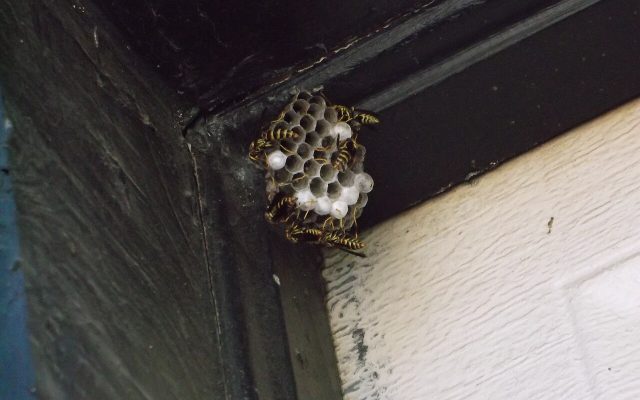
| Wasp, hornet and yellowjacket nests | Small, accessible, early-season nests only | Sting risk, allergies, nests in walls, ground or high places |
| Wildlife and dead animals | Limited | Legal restrictions, disease risk, exclusion and sanitation skills |
DIY saves money on minor issues, and good habits such as sealing gaps and reducing moisture help no matter who treats. Professionals bring accurate identification, access to products and equipment not sold to consumers, training in safe application, and accountability through guarantees. Browse our services to see what a local contractor can handle.
Frequently Asked Questions
How do I verify a pest control license?
Ask the company for its license number and the technician’s license or registration number, then look them up on your state pesticide regulatory agency’s website. Confirm the license is active and covers the type of work you need, such as termites or fumigation.
Should I get more than one quote?
Yes, especially for termite treatment, bed bugs or exclusion work. Compare the scope, products, number of visits, guarantee terms and contract length, not just the price.
Are recurring pest control plans worth it?
They can be for homes with ongoing pressure from ants, cockroaches, spiders or rodents, or in regions with year-round pest activity. If you only have an occasional issue, one-time service may be more economical.
Can I cancel a pest control contract?
Usually, but terms vary. Read the cancellation clause before signing, note the required notice period, and ask whether discounts on the initial service are recaptured if you cancel early. Some states also provide cooling-off rights for certain door-to-door sales.
What does IPM mean on a pest control quote?
Integrated Pest Management means the provider inspects, identifies the pest, addresses underlying causes and uses targeted treatments rather than routine blanket spraying. It generally means fewer chemicals and more durable results.
Find a Local Pro You Can Trust
ETAAC connects homeowners with local pest control contractors. Ask about licensing, insurance, treatment plans and guarantee terms up front, and get a written quote before any work begins.