
Pests run on a calendar. Termites swarm on warm spring days after rain, ants march indoors as soil warms, wasps build nests that peak in late summer, and mice look for a warm wall void when nights turn cold. If you know what is coming, you can stay a step ahead with a few hours of maintenance each season instead of reacting to an infestation after it is established.
This calendar is built for US homeowners. Timing shifts with your region: pest seasons start earlier and run longer in the South and along the Gulf Coast, and they are compressed in northern states and at higher elevations. Use the months as a guide and adjust a few weeks either way for your local climate.
- Spring is for inspection and sealing: catch termite swarms, ant trails and early wasp nests while they are small.
- Summer is about moisture and standing water: mosquitoes, ants, fleas, ticks and stinging insects peak.
- Fall is exclusion season: seal gaps before rodents, stink bugs and cluster flies move indoors.
- Winter is for indoor monitoring: rodents, cockroaches and bed bugs remain active in heated homes.
- A short checklist each season prevents most problems, and a professional inspection once or twice a year catches what you miss.
Month-by-Month Pest Calendar
The table below summarizes what tends to be active each month across much of the US and the most useful tasks for that time of year. For identification help with any of these pests, see our pest library.
| Month | Pests to watch for | Key homeowner tasks |
|---|---|---|
| January | Mice, rats, cockroaches, overwintering stink bugs and lady beetles | Check attic, basement and garage for droppings; monitor glue boards behind appliances; store firewood away from the house |
| February | Rodents, cockroaches; termite swarms begin in the Deep South and Florida | Inspect crawl spaces for moisture; schedule spring termite inspection; repair damaged screens |
| March | Termite swarmers, carpenter ants, first ant trails, overwintering insects becoming active | Watch windowsills for shed wings; clean gutters; trim shrubs away from siding |
| April | Termites, ants, carpenter bees, early wasp and hornet queens, ticks | Seal foundation cracks; knock down tiny early nests; pull mulch back from the foundation |
| May | Ants, ticks, mosquitoes, wasps, carpenter ants, termites in northern states | Start weekly standing-water checks; mow regularly; begin pet flea and tick prevention as advised by your vet |
| June | Mosquitoes, fleas, ticks, ants, wasps, cockroaches outdoors | Empty containers; treat ponds and rain barrels with Bti; inspect eaves and play sets for nests |
| July | Mosquitoes, wasps and yellowjackets, fire ants, fleas, cockroaches | Keep trash cans sealed; check decks and sheds for nests; watch for ground-nesting yellowjackets before mowing |
| August | Yellowjackets and hornets at peak, mosquitoes, ants, crickets | Cover food and drinks outdoors; schedule nest removal; check for pantry pests in stored food |
| September | Stinging insects still large, stink bugs and lady beetles gathering on sunny walls, early rodent activity | Seal gaps around windows, siding and utility lines; repair door sweeps; screen attic vents |
| October | Mice and rats moving indoors, stink bugs, boxelder bugs, cluster flies, spiders | Rodent-proof the exterior; clean gutters after leaf drop; install chimney cap; set monitoring traps |
| November | Rodents, overwintering insects, wildlife seeking dens in attics and under decks | Inspect attic for droppings or nesting; secure crawl space vents; bring in or store outdoor pet food |
| December | Rodents, cockroaches, bed bugs (holiday travel), pests in holiday decorations and firewood | Inspect stored boxes before bringing them in; check luggage after travel; bring in only as much firewood as needed |
Spring (March to May): Inspect and Seal
Spring is when overwintering pests become active and colonies start growing. Problems are small and easy to manage if you catch them now.
Pests to expect
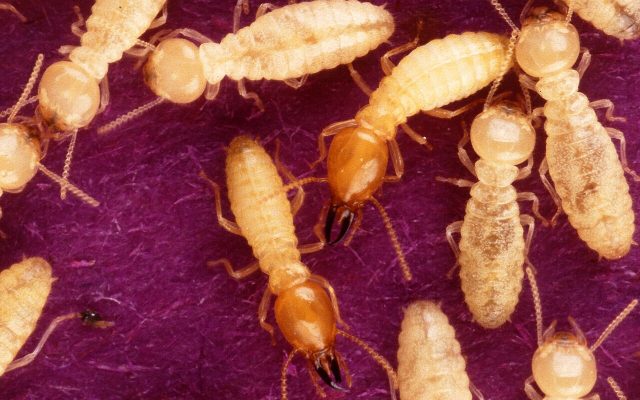
- Termites: subterranean termite swarmers often emerge on warm days after rain. Piles of discarded wings near windows and doors are a classic sign. Read our guide to termite warning signs for what to look for.
- Ants: odorous house, pavement and carpenter ants begin foraging indoors.
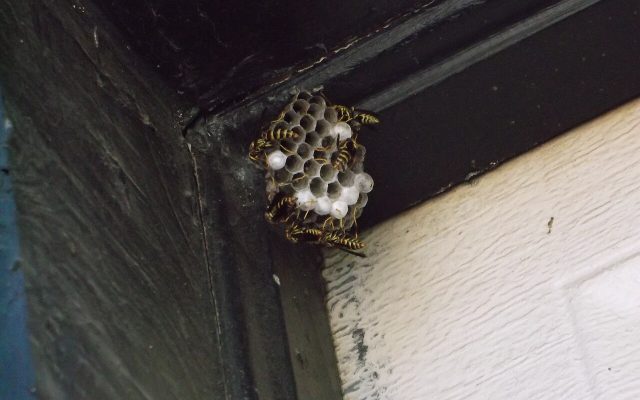
- Wasps and hornets: queens start new nests alone. A golf-ball-sized nest in April becomes a much bigger problem by August.
- Ticks: activity rises as temperatures warm, especially in wooded and grassy areas.
Spring checklist
- Walk the foundation and look for mud tubes, cracks and gaps around pipes.
- Clean gutters and confirm downspouts discharge away from the house.
- Trim shrubs and tree limbs so they do not touch the roof or siding.
- Pull mulch back several inches from the foundation and keep it thin.
- Repair window and door screens, and replace worn door sweeps.
- Check the eaves, porch ceilings and shed for small starter nests.
- Schedule an annual termite inspection, particularly in high-risk southern and coastal regions.
Summer (June to August): Control Moisture and Standing Water
Heat and humidity push insect populations to their peak. Most summer problems come down to water, food and shelter close to the house.
Pests to expect
- Mosquitoes: they can complete their life cycle in about a week in warm weather. See our full plan for mosquito control for your yard.
- Stinging insects: yellowjacket, hornet and paper wasp colonies grow rapidly, and some yellowjackets nest underground.
- Fleas and ticks: pets carry them indoors, and flea populations can grow quickly in carpeting.
- Cockroaches: outdoor species such as American and smokybrown cockroaches wander in during hot, dry spells or after heavy rain.
- Fire ants: mounds appear in sunny lawns across the southern states, especially after rain.
Summer checklist
- Empty standing water weekly: saucers, buckets, toys, tarps, birdbaths.
- Keep outdoor trash cans clean and tightly lidded.
- Mow regularly and keep the grass short near the house to reduce ticks.
- Keep pets on flea and tick prevention recommended by your veterinarian.
- Check for nests under decks, in play equipment, grills and mailboxes before using them.
- Fix leaky faucets, AC condensate lines and irrigation heads that spray the foundation.
- Run a dehumidifier in damp basements to discourage cockroaches, silverfish and centipedes.
Late summer is when stinging insect colonies are largest and most defensive. Do not attempt to remove large nests, nests inside walls, or ground nests yourself, especially if anyone in the household is allergic to stings. Seek emergency care for any sting reaction involving difficulty breathing, swelling of the face or throat, or dizziness. When using any pesticide during seasonal maintenance, read and follow the label, keep children and pets away from treated areas until it is safe, and avoid spraying flowering plants where pollinators feed.
Fall (September to November): Exclusion Season
As temperatures drop, many pests look for shelter. Fall is the most important time to seal your home, because whatever gets in now will spend the winter with you.
Pests to expect
- Mice and rats: they move toward warm structures and can squeeze through surprisingly small gaps. A young mouse can fit through an opening about the size of a dime.
- Overwintering insects: brown marmorated stink bugs, Asian lady beetles, boxelder bugs and cluster flies gather on sunny south- and west-facing walls before slipping into wall voids and attics.
- Wildlife: squirrels, raccoons and bats seek attics and chimneys for winter.
- Spiders: many become more noticeable indoors as males wander in search of mates.
Fall checklist
- Seal gaps around utility lines, vents and siding with appropriate materials such as copper mesh, hardware cloth and sealant. Our guide to rodent-proofing your home covers materials and techniques.
- Install or repair door sweeps, including on the garage door.
- Screen attic, soffit and foundation vents; cap the chimney.
- Clean gutters after the leaves drop.
- Store firewood at least 20 feet from the house and off the ground, if space allows.
- Move birdseed, grass seed and pet food into sealed metal or heavy plastic containers.
- Place a few snap traps or monitoring stations in the garage, attic and basement to detect early rodent activity.
Winter (December to February): Monitor Indoors
Outdoor insect activity slows in most of the country, but heated homes keep certain pests going year-round.
Pests to expect
- Rodents: listen for scratching in walls and ceilings, especially at night, and look for droppings along walls and in cabinets.
- Cockroaches: German cockroaches breed indoors regardless of the season, especially in kitchens and bathrooms.
- Bed bugs: holiday travel and guests can introduce them.
- Pantry pests: Indian meal moths and beetles can arrive in holiday baking supplies.
- Overwintering insects: stink bugs and lady beetles may appear on warm sunny days as they wake inside walls.
Winter checklist
- Inspect the attic, basement and garage monthly for droppings, gnaw marks and nesting.
- Keep storage boxes off the floor and use plastic bins instead of cardboard.
- Inspect luggage and hotel rooms when traveling; wash and dry clothes on high heat after trips.
- Vacuum up overwintering insects rather than crushing them, which can release odors.
- Check for ice dams and roof leaks that create moisture problems for spring.
- Plan next year’s professional inspections and any exclusion repairs.
Regional Differences to Keep in Mind
In the Southeast, Gulf Coast and Southwest, mosquitoes, cockroaches, ants and termites can stay active much of the year, and subterranean termite swarms may begin in late winter. The Pacific Northwest sees heavy carpenter ant and rodent activity tied to damp conditions. The Northeast and Midwest have short, intense summer insect seasons and strong fall rodent and overwintering insect pressure. Mountain and high-desert regions have shorter seasons but may face pests such as scorpions in some southwestern areas. Your local extension service is a good source for region-specific timing.
When a Professional Plan Makes Sense
A seasonal checklist handles most routine prevention. A recurring professional plan is worth considering if you live in a high-termite-risk area, have had repeated rodent or ant problems, have family members allergic to stings, or simply prefer to have inspections handled on schedule. If you are comparing providers, our guide on how to choose a pest control company explains what to look for.
Frequently Asked Questions
What is the best time of year for pest control?
There is no single best time. Early spring is ideal for termite inspections and perimeter work, and early fall is critical for sealing out rodents and overwintering insects. Year-round attention gives the best results.
Do I need pest control in winter?
Often yes. Rodents, cockroaches and bed bugs remain active in heated homes. Winter is also a good time to inspect attics and plan exclusion repairs before spring.
How often should a home have a professional pest inspection?
Many homeowners schedule an annual termite inspection and a general inspection once or twice a year. Homes with a history of infestations or in high-pressure regions may benefit from more frequent service.
Why do I see more bugs after it rains?
Heavy rain floods ant nests and outdoor harborage, pushing insects toward higher, drier ground, including your home. Standing water left behind also creates mosquito breeding sites.
When should I seal my home against mice?
Late summer to early fall, before the first cold nights. Sealing after mice have moved in can trap them inside, so combine exclusion with trapping if activity has already started.
Stay Ahead of Every Season
ETAAC connects you with local pest control contractors who can inspect your home, handle seasonal treatments and help you seal out pests before they settle in. Get in touch to set up service on your schedule.