
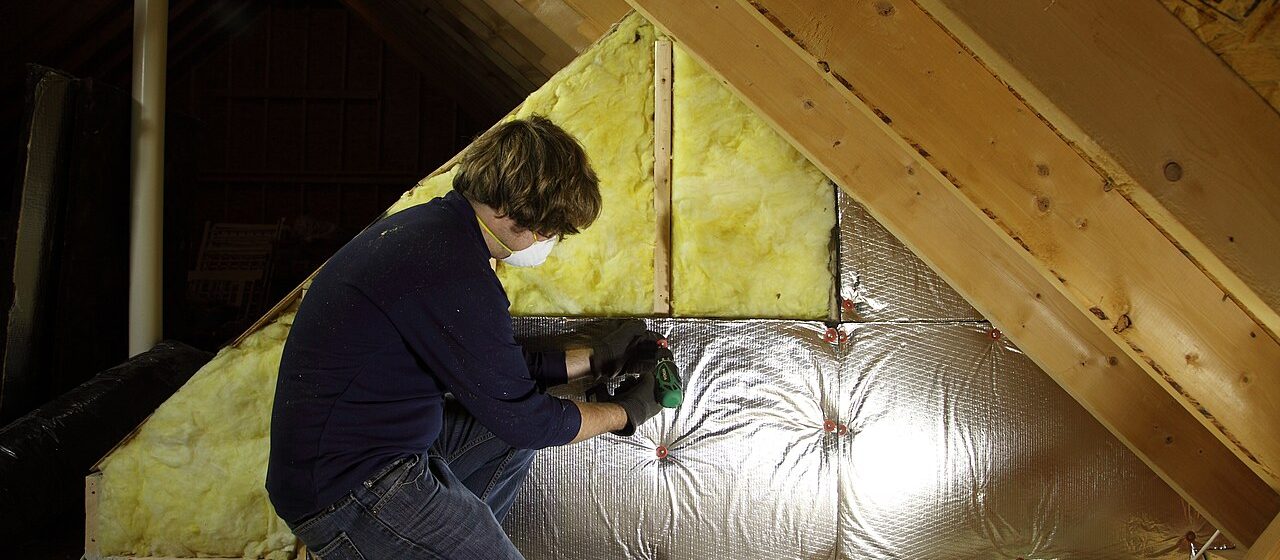
Few household problems are as hard to ignore as the smell of a dead animal. It usually starts as a faint, sickly-sweet odor in one room, then grows stronger over several days until it seems to fill the house. The culprit is most often a mouse, rat, squirrel, bird, bat or opossum that got into a wall void, attic, chimney, crawl space or the gap under a porch or slab and died there.
The carcass is usually hidden, and air fresheners do nothing about the bacteria, fluids and insects that come with decomposition. This guide explains how to find the source, remove it safely, deal with lingering odor and keep animals out.
- The strongest smell is not always directly over the carcass. Use flies, stains, temperature and your nose at different heights to narrow it down.
- Removal is the only real fix. Odor neutralizers help after the source and contaminated materials are gone.
- Wear gloves and a respirator, avoid direct contact, and disinfect the area. Dead animals can carry bacteria, parasites and, rarely, rabies.
- If the carcass cannot be reached, the odor typically fades over a few weeks as the remains dry out, faster for small animals and in dry, warm spaces.
- Find and seal the entry point, or the next animal will follow the same path.
- Many wildlife species are regulated by state law. Check rules before trapping, relocating or handling protected animals.
Why the Smell Is So Strong
As an animal decomposes, bacteria break down tissue and release volatile sulfur compounds and amines, including putrescine and cadaverine. These compounds are detectable by the human nose at very low concentrations, which is why even a small mouse can make a room unpleasant. The odor typically peaks within the first week or two, then declines as the tissue dries out. Warm, humid conditions speed decomposition and intensify the smell; cold, dry conditions slow it down.
How to Locate the Source
Odor drifts with air currents, follows wall cavities and ductwork, and pools in low spots, so the strongest spot is a starting point, not a final answer.
- Map the smell. Walk the house slowly and sniff at floor level, waist height and near the ceiling. Odor that is strongest high on a wall suggests the attic or upper wall cavity; strongest near the floor suggests the crawl space, basement or lower wall plate.
- Watch for flies. Blow flies (metallic green or blue) find carcasses within hours and can enter through tiny gaps. Clusters of flies on one window, around an outlet, a light fixture or a ceiling vent are a strong clue. Later, small brown pupal cases or crawling maggots may appear near baseboards.
- Look for stains. Fluids from a larger carcass can soak through drywall or ceiling material, leaving a yellowish or brown damp spot.
- Check likely areas. Rodents often die in wall voids, behind appliances, under bathtubs, in attic insulation near the eaves, and in HVAC ducts. Squirrels and raccoons favor attics and chimneys. Opossums, skunks and cats tend to die under decks, porches, sheds and in crawl spaces.
- Think about recent activity. Recent rodent baiting or scratching that suddenly stopped points you to the right area.
- Use a borescope. An inexpensive inspection camera through a small drywall hole can confirm a carcass before you cut a larger opening.
If you have been fighting mice or rats, our guide to rodent-proofing your home explains why rodents that eat poison bait in the house often die inside walls rather than outdoors.
Common locations and what to expect
| Location | Typical animals | Access method | Difficulty | Notes |
|---|---|---|---|---|
| Wall void | Mice, rats, occasionally squirrels or birds | Cut a small inspection hole in drywall, then enlarge; patch afterward | Moderate | Carcass often rests on the bottom plate or a fire block, below where the smell seems strongest |
| Attic | Squirrels, rats, raccoons, bats, birds | Attic hatch; search insulation near eaves, vents and soffits | Moderate | Heat speeds decomposition in summer; contaminated insulation may need removal |
| Crawl space | Opossums, skunks, rats, cats | Crawl space door or vent; often requires crawling | High | Check behind vapor barrier and near piers; confined space with possible hazards |
| Under porch, deck or slab | Opossums, skunks, raccoons, groundhogs | Remove lattice or a deck board; reach or hook tool | Moderate to high | Burrows under slabs may require digging |
| Chimney | Birds, raccoons, squirrels | Open damper from below or access from roof | High | Roof work is dangerous; chimney swifts are federally protected |
| HVAC ductwork | Mice, rats, small birds | Remove registers or open duct sections | Moderate to high | Odor spreads through the house when the system runs; have ducts cleaned afterward |
Health Risks of a Dead Animal in the House
Beyond the smell, a decomposing animal is a source of contamination. Risks vary by species and region, but commonly include:
- Bacteria such as Salmonella and Leptospira from the carcass, urine and droppings.
- Hantavirus, carried by some wild rodents (notably deer mice) and spread by breathing dust from contaminated droppings, urine and nesting material.
- Parasites: fleas, ticks and mites leave a cooling body looking for a new host, which can mean sudden bites indoors.
- Secondary pests: blow flies, carrion beetles and dermestid beetles can breed in the remains and spread into the home.
- Rabies: rare, but bats, raccoons, skunks and foxes are the main US wildlife carriers. Never handle these with bare hands.
- Air quality: strong odors can cause nausea and headaches.
If anyone in the household develops a fever, flu-like symptoms or unexplained illness after exposure, or has had any direct contact with a bat or possibly rabid animal, contact a doctor and explain the exposure.
Never touch a dead animal with bare hands. Wear disposable gloves, eye protection and at minimum an N95 respirator. Do not sweep or vacuum droppings or nesting material, because that can aerosolize hantavirus and other pathogens; wet them down with disinfectant first, as public health guidance recommends. Avoid working alone in crawl spaces or on roofs. If you find a bat inside living areas, or anyone may have been bitten or scratched, contact your local health department or doctor before disposing of the animal, since it may need to be tested.
Safe Removal and Sanitation, Step by Step
- Prepare. Gather nitrile gloves, an N95 or better respirator, eye protection, heavy-duty trash bags, a grabber tool and an EPA-registered disinfectant (or bleach solution mixed per the label).
- Ventilate. Open windows and run fans. Avoid running central HVAC if the carcass is near ductwork.
- Wet down the area. Spray the carcass, droppings and nesting material with disinfectant and wait the contact time on the label.
- Bag the remains. Pick up the animal with a tool or a gloved hand inside an inverted bag. Double-bag, seal and dispose of it according to local rules.
- Remove contaminated materials. Fluid-soaked insulation, padding and cardboard usually cannot be cleaned and should be discarded.
- Clean and disinfect surfaces. Wipe hard surfaces with disinfectant, then clean with an enzyme cleaner to break down organic residue.
- Deal with insects. Vacuum flies and maggots after the source is gone, and dispose of the bag outdoors.
- Clean up yourself. Remove gloves carefully, bag them, and wash hands thoroughly with soap and water.
For larger animals, hard-to-reach spaces, or any situation involving bats or possible rabies carriers, a professional dead animal and wildlife removal service can locate, remove and sanitize safely.
Odor Neutralization After Removal
Once the source is gone, lingering odor usually comes from fluids absorbed into wood, drywall and insulation. Effective options include:
- Enzyme-based cleaners that digest the organic compounds, applied to stained wood and subfloor.
- Odor-sealing primers (shellac- or oil-based stain blockers) on framing that stays stained after cleaning.
- Activated charcoal or zeolite to absorb residual odor over several days.
- Ventilation with fans and fresh air.
- Professional deodorization such as thermal fogging or hydroxyl generators. Ozone generators are hazardous and belong only in unoccupied rooms run by trained operators.
Fragrance sprays only mask the smell; use them, if at all, after the source is removed.
How Long Does a Dead Animal Smell Last?
If the carcass cannot be reached, the smell will eventually fade on its own as the remains dry and decompose. The timeline depends on the animal’s size, temperature, humidity and ventilation. As a rough guide, a mouse may produce noticeable odor for one to two weeks or so, a rat for two to four weeks, and a squirrel or larger animal for several weeks or longer. Hot, humid weather intensifies the smell but speeds the process; cold weather slows it. For anything larger than a mouse, removal is strongly recommended rather than waiting, both for comfort and to prevent fly infestations and staining.
Preventing Wildlife Entry
Every dead animal inside a structure entered through an opening. Finding and sealing it prevents a repeat.
- Inspect rooflines, soffits, gable vents, ridge vents and the junction of roof and fascia for gaps, chewed edges and grease marks.
- Install a chimney cap with a sturdy mesh screen.
- Seal gaps around pipes, cables and AC lines with copper mesh or steel wool and sealant; mice can fit through openings roughly the width of a pencil.
- Screen foundation and crawl space vents with heavy-gauge hardware cloth.
- Install an L-shaped hardware cloth barrier (an “L-footer”) buried around decks, porches and sheds to stop burrowing.
- Remove attractants: secure trash cans, bring pet food indoors, and clean up fallen fruit and birdseed.
- Trim tree limbs back from the roof to cut off squirrel and raccoon access.
If an animal may still be inside, use a one-way exclusion door so it can leave but not return before sealing the final opening. Sealing an animal in usually leads to another carcass.
Legal Notes on Wildlife
Wildlife rules vary widely by state and sometimes by county. Many states regulate trapping, relocating and euthanizing wild animals, and some require a license or permit for nuisance wildlife control. Relocating animals is illegal in some states because it spreads disease. Certain species have additional protection: most native birds are covered by the federal Migratory Bird Treaty Act, several bat species are protected, and some states set seasonal restrictions on evicting bats while pups are flightless. Before trapping or excluding live wildlife, check with your state wildlife agency or hire a licensed wildlife control operator.
Our seasonal pest control calendar covers when wildlife is most likely to seek shelter in homes.
Frequently Asked Questions
Can I just wait for the dead animal smell to go away?
For a single mouse in an inaccessible spot, waiting may be reasonable, and the odor usually fades within a couple of weeks. For larger animals, waiting risks fly infestations, stains and a much longer odor period, so removal is the better choice.
Why are there suddenly so many flies in one room?
A sudden cluster of large metallic blue or green flies indoors is a classic sign of a dead animal nearby. The flies breed in the carcass and emerge through small gaps around outlets, fixtures or baseboards.
Will cutting into my wall cause a lot of damage?
A careful technician starts with a small inspection hole or camera to confirm the location, then opens only what is needed. Drywall patches are routine and much cheaper than living with odor and insects for weeks.
What should I do if I find a dead bat?
Do not touch it with bare hands. If anyone may have had contact with it, or if it was found in a room where people were sleeping, contact your local health department or a doctor, since the bat may need rabies testing.
Can’t Find the Source of That Smell?
A local ETAAC wildlife contractor can locate the carcass, remove it safely, sanitize the area, deodorize and seal the entry point so it does not happen again. Reach out and we will connect you with a pro near you.