
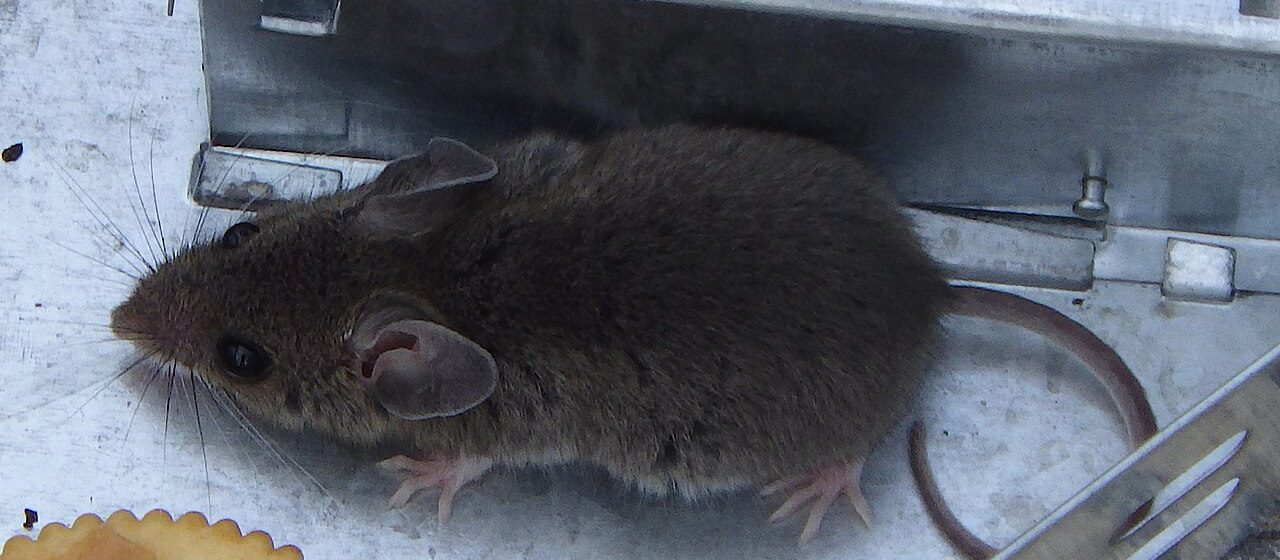
Mice and rats move indoors for the same reasons people do: warmth, shelter, food and water. Once inside, they contaminate food, chew wiring and insulation, and breed quickly. Traps and baits can remove the animals already in your home, but if the gaps that let them in stay open, new rodents will keep arriving. Lasting control comes from exclusion, which means physically sealing the building.
This step-by-step guide explains how to find entry points, which materials actually stop rodents, how to trap effectively, and how to clean up droppings safely. It also covers when the job is better handed to a professional.
- A house mouse can squeeze through a gap about the width of a dime; a young rat through one about the size of a quarter.
- Seal with rodent-resistant materials such as steel or copper mesh, hardware cloth, sheet metal and mortar. Foam and caulk alone get chewed through.
- Trap and remove rodents inside before or while you seal, so you do not trap them in walls.
- Never sweep or vacuum droppings dry. Ventilate, wet them with disinfectant, then wipe them up with gloves.
Step 1: Confirm the Problem and Identify the Rodent
Mice and rats call for different trap sizes and slightly different exclusion standards, so identification matters. Signs of activity include droppings, gnaw marks, greasy rub marks along walls, shredded nesting material, scratching sounds in walls or ceilings at night, and pet behavior such as a dog or cat staring at a wall.
| Feature | House mouse | Norway rat | Roof rat |
|---|---|---|---|
| Body size | Small and slender, about 2.5 to 3.5 inches plus tail | Heavy-bodied, about 7 to 10 inches plus tail | Sleek, about 6 to 8 inches plus a tail longer than its body |
| Droppings | About 1/8 to 1/4 inch, pointed ends, scattered | About 3/4 inch, blunt ends, often in groups | About 1/2 inch, pointed ends |
| Typical nesting | Inside walls, cabinets, appliances, stored items | Burrows in soil near foundations; basements and lower floors | Attics, upper walls, trees, dense vegetation |
| Behavior | Curious; explores new objects | Cautious of new objects | Agile climber; very cautious |
| Minimum gap | About 1/4 inch | About 1/2 inch | About 1/2 inch |
Step 2: Inspect for Entry Points
Inspect at dusk with a bright flashlight, working from the ground up. Look for gaps, rub marks, gnawing, droppings and nesting material near openings. Common entry points include:
- Foundation: Cracks, gaps where the siding meets the foundation, unscreened foundation vents and weep holes.
- Utility penetrations: Where gas lines, water pipes, AC refrigerant lines, cable and electrical conduits enter the house.
- Garage: Worn or missing bottom seals on garage doors and gaps at the corners where the door meets the frame. This is one of the most common entry points.
- Doors: Gaps under exterior doors and at thresholds.
- Roofline: Gaps at soffits, fascia boards, roof returns, ridge and gable vents, and where different rooflines meet. Roof rats commonly enter here.
- Vents and chimneys: Dryer vents, bathroom and kitchen exhaust vents, and uncapped chimneys.
- Interior: Holes under sinks, behind the stove and dishwasher, and around pipes behind washing machines.
Use the pencil test: if a standard pencil fits through a gap, a mouse likely can too.
Step 3: Choose the Right Sealing Materials
Rodents gnaw constantly, and their teeth can damage wood, plastic, rubber, soft caulk and spray foam. Match the material to the opening:
- Copper or stainless steel mesh: Stuff tightly into small gaps around pipes and cables, then cover with sealant. Copper and stainless mesh resist rust better than ordinary steel wool, which can rust and degrade outdoors.
- Hardware cloth: Galvanized wire mesh with 1/4-inch openings to cover foundation vents, gable vents, crawl space openings and larger gaps. Fasten with screws and washers, not staples.
- Sheet metal and metal flashing: For gnaw-prone edges, gaps at the base of garage door frames and larger holes.
- Mortar, concrete patch or hydraulic cement: For foundation cracks and holes in masonry.
- Sealants: Quality exterior caulk or pest-blocking foam to hold mesh in place and finish the seal. Used alone, these are only a finishing layer.
- Door sweeps and garage door seals: Choose heavy-duty sweeps; some include metal or brush strips that resist gnawing.
- Vent covers and chimney caps: Use screened covers rated for pests, keeping dryer vents free-flowing for fire safety.
Step 4: Trap Rodents Already Inside
Seal minor gaps right away, but leave a main entry point open until the population inside is under control, or seal everything while trapping intensively. Sealing animals inside can lead to them chewing new holes or dying in wall voids, causing odor problems; our guide to dead animal smell removal covers that scenario.
Trapping tips
- Use enough traps. For mice, place traps every few feet along walls in active areas. Use rat-sized traps for rats; mouse traps will not hold them.
- Place traps correctly. Set snap traps perpendicular to the wall with the trigger end touching the wall, or in pairs facing opposite directions, along runways where you see droppings and rub marks.
- Bait lightly. A small dab of peanut butter, hazelnut spread or a bit of nesting material like cotton works well. Too much bait lets rodents feed without triggering the trap.
- Pre-bait for rats. Rats are wary of new objects. Place unset, baited traps for a few days so they get used to them, then set them.
- Check traps daily and wear gloves when handling.
Glue boards are considered inhumane by many and can cause rodents to suffer; snap traps and enclosed electronic traps are generally preferred indoors. Rodenticide baits indoors can lead to rodents dying in walls, and they pose risks to children, pets and wildlife. If baits are used outdoors, they should be in tamper-resistant stations and applied according to the label and local regulations.
Step 5: Remove Food, Water and Shelter
- Store pantry foods, birdseed, grass seed and pet food in metal or thick plastic containers with tight lids.
- Do not leave pet food out overnight, and clean up spilled birdseed under feeders.
- Fix leaking faucets, pipes and AC drain lines.
- Use lidded trash cans and keep compost in a closed bin.
- Trim tree branches and shrubs back several feet from the roof and walls to cut off roof rat access routes.
- Store firewood and lumber off the ground and away from the house; remove debris piles and dense ground cover against the foundation.
- Reduce clutter in garages, attics and basements, especially cardboard boxes.
Step 6: Clean Up Safely
Rodent droppings, urine and nesting material can carry pathogens. Deer mice and some other wild rodents can carry hantavirus, which people can contract by breathing in particles stirred up from contaminated droppings, urine or nests. House mice and rats can carry other diseases, including salmonellosis and leptospirosis. Public health guidance, including from the CDC, generally recommends the following approach:
- Ventilate first. Open doors and windows for at least 30 minutes before cleaning enclosed spaces like sheds, cabins, attics or crawl spaces, and leave the area while it airs out.
- Protect yourself. Wear rubber, latex or nitrile gloves. For heavy contamination, add eye protection and a properly fitted respirator.
- Do not sweep or vacuum dry debris. This can send particles into the air.
- Soak it. Spray droppings, urine and nesting material with a disinfectant or a freshly made bleach solution (commonly 1 part bleach to 10 parts water) until thoroughly wet, and let it sit for about five minutes or as the product label directs.
- Wipe up and bag. Use paper towels to pick up the material, place it in a plastic bag, seal it and put it in a covered trash can.
- Disinfect surfaces that may have been contaminated, then mop or sponge them.
- Wash gloved hands with disinfectant, remove gloves, then wash your hands thoroughly with soap and water.
Never sweep or vacuum dry rodent droppings, and never mix bleach with ammonia or other cleaners. For large infestations, heavily contaminated attics or crawl spaces, or any cleanup involving deer mice, consider professional cleanup. If anyone develops fever, muscle aches, fatigue or breathing difficulty in the weeks after rodent exposure or cleanup, see a doctor promptly and mention the exposure. Keep traps and any baits out of reach of children and pets, and follow all product labels.
When to Call a Professional
DIY exclusion works well for a single mouse problem with a few obvious entry points. Call a pro when:
- You have rats, or activity keeps returning after you seal and trap.
- Entry points are on the roofline, in soffits or in places you cannot safely reach with a ladder.
- Rodents have damaged wiring, ductwork or insulation.
- Contamination in an attic or crawl space is extensive.
- You smell a dead animal in a wall or ceiling.
A professional exclusion job typically includes a full inspection, sealing of every entry point with durable materials, a trapping program and follow-up visits. Learn more on our rodent control and exclusion service page, or check our FAQ for what to expect.
Frequently Asked Questions
Does steel wool keep mice out?
Steel wool helps when packed tightly into small gaps and covered with sealant, but ordinary steel wool rusts outdoors and can loosen over time. Copper or stainless steel mesh lasts longer. For larger openings, use hardware cloth, sheet metal or mortar.
Do ultrasonic repellers work against rodents?
Evidence that plug-in ultrasonic devices provide lasting rodent control is weak, and rodents often get used to them. Sealing entry points, trapping and removing food sources are far more reliable.
How do I know if I have mice or rats?
Droppings are the easiest clue. Mouse droppings are about the size of a grain of rice, while rat droppings are much larger, often around 1/2 to 3/4 inch. Size of gnaw marks and runways, and where you hear activity, also help.
When are rodents most likely to come indoors?
Activity often increases in fall as temperatures drop and rodents look for shelter, but they can enter any time of year. Inspecting and sealing in late summer or early fall is a good habit.
Can I use poison bait inside my house?
It is generally not recommended. Poisoned rodents can die inside walls, causing odors and insect problems, and baits pose risks to children and pets. Indoors, traps are usually the better choice. Any rodenticide should be used strictly according to its label and local regulations.
Seal Out Mice and Rats for Good
ETAAC Pest Control connects you with local contractors who can find every entry point, seal your home with durable materials and remove the rodents already inside. Call us 9AM–6PM or request a free quote online.